related blog
%20(3).svg)
15
How Photo Documentation Reduces Liability Risks
Time-stamped, GPS-tagged photos provide objective proof of progress, safety compliance, and hidden work—reducing disputes, rework, delays, and liability costs.
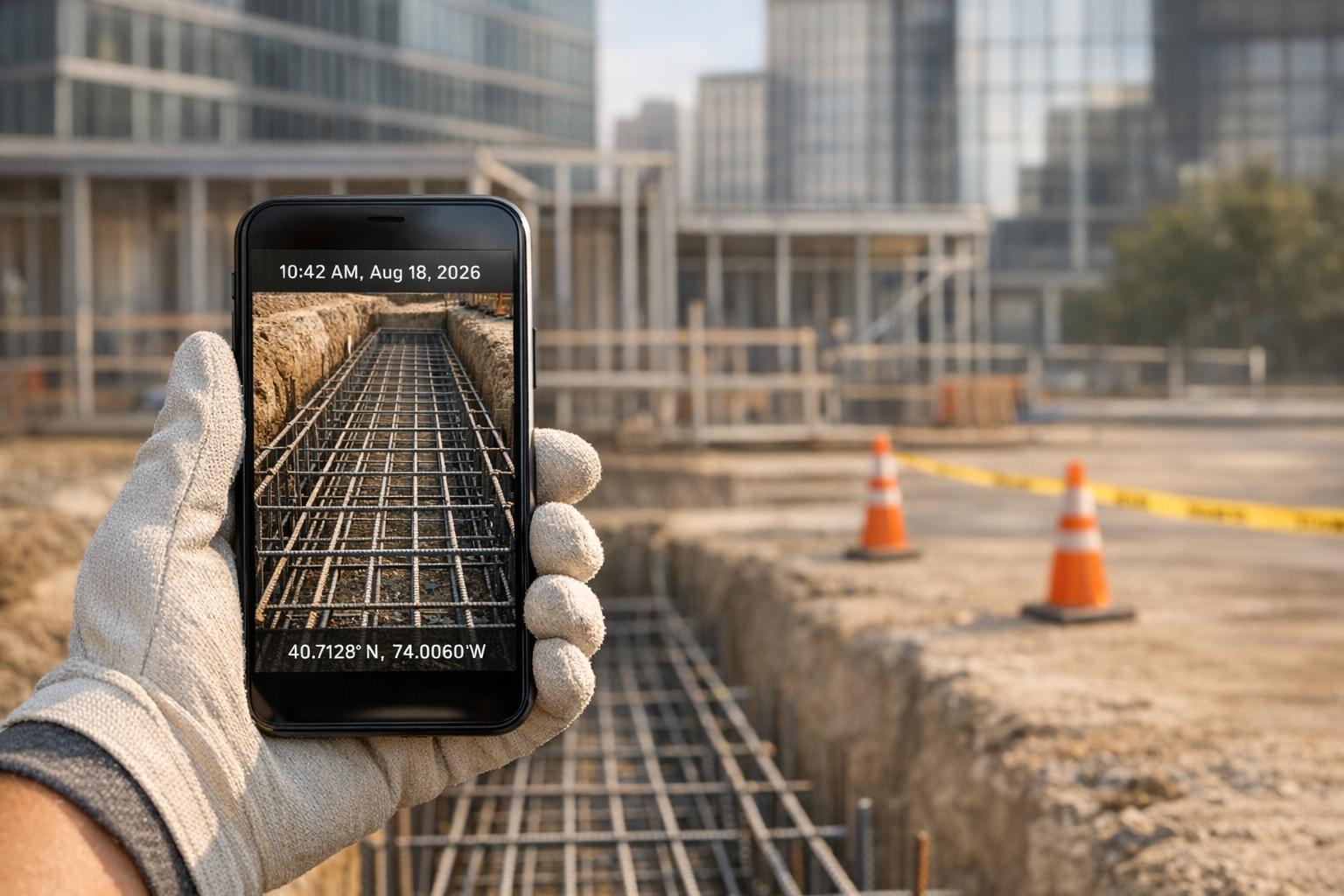
Photo documentation is one of the simplest ways to protect construction professionals from liability risks. Here’s why it matters:
- 70% of construction disputes stem from poor documentation, with average dispute costs reaching $16.3 million and lasting 15 months.
- Time-stamped, GPS-tagged photos provide objective evidence of project progress, safety compliance, and completed milestones.
- Proper photo records can reduce rework costs by 25%, cut project delays by 31%, and even save tens of thousands of dollars in disputes.
- Regulatory compliance is easier to prove with visual records, avoiding fines like OSHA penalties of up to $126,749 per violation.
Without reliable photo documentation, contractors face false claims, payment disputes, safety fines, and accusations from subcontractors. Tools like CrewCam simplify this process by ensuring photos are tamper-proof, automatically organized, and accessible in real-time. Whether it’s pre-work conditions, hidden installations, or finished results, thorough documentation can save time, money, and your reputation.

Photo Documentation Impact on Construction Liability and Cost Reduction
Transparency with Your Build Projects Using Photo Documentation | with Brian Altus
sbb-itb-5f4c686
Liability Risks in Construction Without Photo Documentation
Skipping photo documentation in construction projects can leave professionals exposed to serious legal risks. Without visual evidence, any defense relies heavily on memory, hearsay, or incomplete reports - none of which hold much weight when disputes arise.
"A specialized contractor is having to explain things to people who don't know anything about how their work is done. That's why you need pictures to tell the story of what happened".
False Claims and Disputes
One of the biggest challenges in construction disputes is the "disappearing story" issue. Once work is covered - like foundations buried or walls sealed - the proof of proper workmanship essentially vanishes. This lack of evidence creates opportunities for dishonest claims. Some parties may exaggerate damages, deny completed work, or manipulate timelines, knowing there's no photographic record to counter their assertions.
Even when smartphone photos are used, their metadata can be altered, weakening their reliability in legal situations. Payment disputes also become harder to resolve. Without clear proof that milestones were met on time, clients may withhold payments or question the scope of work delivered.
"Nothing resolves a dispute quicker than supporting (or disputing) the claim with proof of the facts, and nothing establishes factual proof better than photographs".
Safety Compliance and Regulatory Issues
Photo documentation isn't just about disputes - it’s also critical for proving safety compliance. If you can’t show evidence that trench shoring was installed, guardrails were in place, or hazardous materials were stored correctly, you risk hefty fines, stop-work orders, or failed inspections from agencies like OSHA or the EPA. For example, OSHA penalties for willful or repeat violations can climb as high as $126,749. Once work is completed and equipment is removed, there’s no way to go back and prove compliance without photos taken during the process.
Subcontractor and Third-Party Accusations
On projects involving multiple contractors, disputes can spiral without clear documentation. When problems arise after several teams have worked on-site, it’s nearly impossible to pinpoint who is at fault. Was it the plumber? The electrician? The drywall crew? Without time-stamped photos showing who was on-site and when, accusations fly, and no one takes responsibility. This not only prolongs disputes but also drives up legal costs and strains relationships that took years to build.
These challenges highlight the importance of thorough photo documentation, which will be explored further in the next section on reducing liability risks.
How Photo Documentation Reduces Liability Risks
Photo documentation plays a key role in protecting construction professionals from liability claims. Rather than relying on memory or incomplete records, time-stamped and GPS-tagged images provide objective proof that holds up in court, regulatory audits, and insurance disputes. This visual evidence helps resolve conflicting accounts and speeds up claim settlements.
Time-Stamped, GPS-Tagged Evidence
Photo documentation apps embed unchangeable metadata - like GPS coordinates and timestamps - into each image at the moment of capture. Some systems even add unique photo codes or digital watermarks, further ensuring authenticity for audits or legal challenges.
This level of precision is especially useful for confirming milestone completions tied to payment schedules. GPS tagging also allows managers to confirm the exact location of work across multiple projects.
Photos are invaluable for capturing hidden work, such as plumbing or wiring, before it gets covered up. These images serve as proof of code compliance, protecting contractors from false accusations and providing regulators with the documentation they require.
Visual Proof of Safety Compliance
When agencies like OSHA or the EPA conduct inspections, photos can demonstrate adherence to safety protocols. For example, images showing guardrails, trench shoring, or proper hazardous material storage can often satisfy regulatory requirements without the need for repeated on-site visits. Considering that OSHA penalties for willful violations can reach $126,749, having visual proof of compliance is a smart safeguard.
Photos also capture the use of personal protective equipment (PPE) and other safety measures, addressing both federal and local regulations. Documenting high-risk activities from multiple angles creates a reliable record in case of incidents. With metadata ensuring the images are unaltered, both regulators and insurers can trust the accuracy of the evidence.
Keeping a thorough visual archive helps contractors avoid stop-work orders and delays caused by compliance disputes or inspection backlogs. Additionally, identifying potential issues early through photos can reduce rework costs by as much as 25%. These records not only help resolve conflicts but also support smoother project workflows.
Resolving Disputes Quickly
Authenticated photos make resolving disputes much faster. For instance, images of pre-existing conditions taken before work begins can immediately disprove claims of new damage. If disagreements arise among subcontractors about who caused a problem, time-stamped photos can show exactly who was on-site and when. This chronological evidence makes it harder for anyone to exaggerate damages or manipulate schedules.
| Documentation Phase | Key Elements to Capture | Liability Protection Benefit |
|---|---|---|
| Pre-Work | Existing damage, site access, adjacent property | Prevents false claims about pre-existing issues |
| Active Work | Utilities, framing, safety gear (PPE) | Proves compliance before work is covered up |
| Final Results | Finished work, cleaned site, deliverables | Confirms project completion and site restoration |
| Problem Discovery | Rot, code violations, unexpected issues | Justifies change orders and additional costs |
Photos also clarify cause-and-effect relationships, helping justify change orders. For example, if hidden rot or code violations require extra work, visual documentation can support the need for additional costs and schedule adjustments. This transparency fosters trust with clients and shields contractors from absorbing unplanned expenses.
"In a claims situation, photographs can be used to verify the existence of prior or changed conditions, describe characteristics of the worksite under different conditions, and present a factual recording of methods and equipment employed."
– Robert Freas and Wesley Grover, Construction Experts
Consistent photo documentation also discourages fraud. When every phase of work is captured with verifiable timestamps and GPS data, it becomes much harder for bad actors to file dishonest claims. The end result? Fewer disputes, quicker resolutions, and stronger relationships with clients and trade partners.
Best Practices for Photo Documentation
Effective photo documentation isn't just about capturing the work - it’s about creating a reliable record that can protect against liability risks and demonstrate safety compliance when needed.
Consistent Documentation Throughout Projects
Documenting every stage of a project is essential for reducing liability claims. Start with photos of the site’s initial condition before any work begins. Capture details like pavement condition, drainage systems, and any existing structural issues. For urban projects, extend your documentation to include 15-50 feet beyond the project boundaries. This extra coverage can help resolve disputes with neighbors, cutting such conflicts by an estimated 60%.
As work progresses, focus on taking photos of elements before they’re covered up. This includes foundations, underground utilities, structural reinforcements, and MEP (mechanical, electrical, plumbing) systems. If changes arise - like mold, moisture, or cracks in the foundation - document them immediately to justify additional costs or schedule changes.
Daily progress photos are also critical. Capture weather conditions, site cleanliness, and completed tasks. Before snapping pictures, make sure the area is clean and free of OSHA or union violations, as these could be used against you later. At the end of the project, document final finishes, resolved punch list items, and equipment conditions to secure final payments and minimize warranty disputes.
Using Annotations, Notes, and Checklists
Photos alone don’t tell the full story. Adding notes when taking pictures provides essential context, such as weather conditions, unusual smells that might indicate moisture issues, or specific details about structural concerns.
"A specialized contractor is having to explain things to people who don't know anything about how their work is done. That's why you need pictures to tell the story of what happened".
For every photo, maintain a detailed log, including a unique photo number, the date, the photographer’s name, and a brief description of the view’s location and orientation. This structured approach ensures the records hold up in legal situations. When documenting defects or utilities, include a scale reference - like a tape measure, work boot, or gloved hand - to give viewers a clear sense of size and context.
Digital tools like checklists linked to specific photos can help track task completion and compliance in real time. Many teams now use digital 360° captures to tag and assign issues directly to floor plan locations, reducing punch list resolution time by 82%.
Organizing and Storing Photos for Easy Access
Even the most thorough photo documentation can become useless if it’s poorly organized. Create a dedicated folder for each project, and never mix photos from different jobs - even if they’re for the same client. Sort photos into three main categories: Pre-Work (baseline conditions), Active Work (progress and hidden elements), and Final Results (completed work and site cleanliness).
Use descriptive tags and filenames for easy searching. Rename photos to include specific context, like "Bathroom_Completed_Tile_Shower". Add tags like room names, floor levels, or status markers such as "Needs Review" to help stakeholders find the right images without opening every file. Teams using standardized naming conventions retrieve photos 93% faster.
To protect against data loss, enable automatic cloud backups. Since construction defect statutes can extend up to 10 years, long-term photo retention is crucial. Systems that export GPS data, timestamps, and notes into formats like Excel or PDF make it easier to create audit-ready reports. These reports can be invaluable for resolving disputes about timelines or identifying when an issue first appeared.
How CrewCam Simplifies Photo Documentation

CrewCam makes photo documentation easier and more reliable, helping contractors reduce liability risks with a tamper-proof system. While the guidelines for effective documentation are helpful, applying them consistently across teams and projects can be tricky. CrewCam takes the guesswork out of the process with tools designed to streamline and safeguard your records.
Core Features for Liability Protection
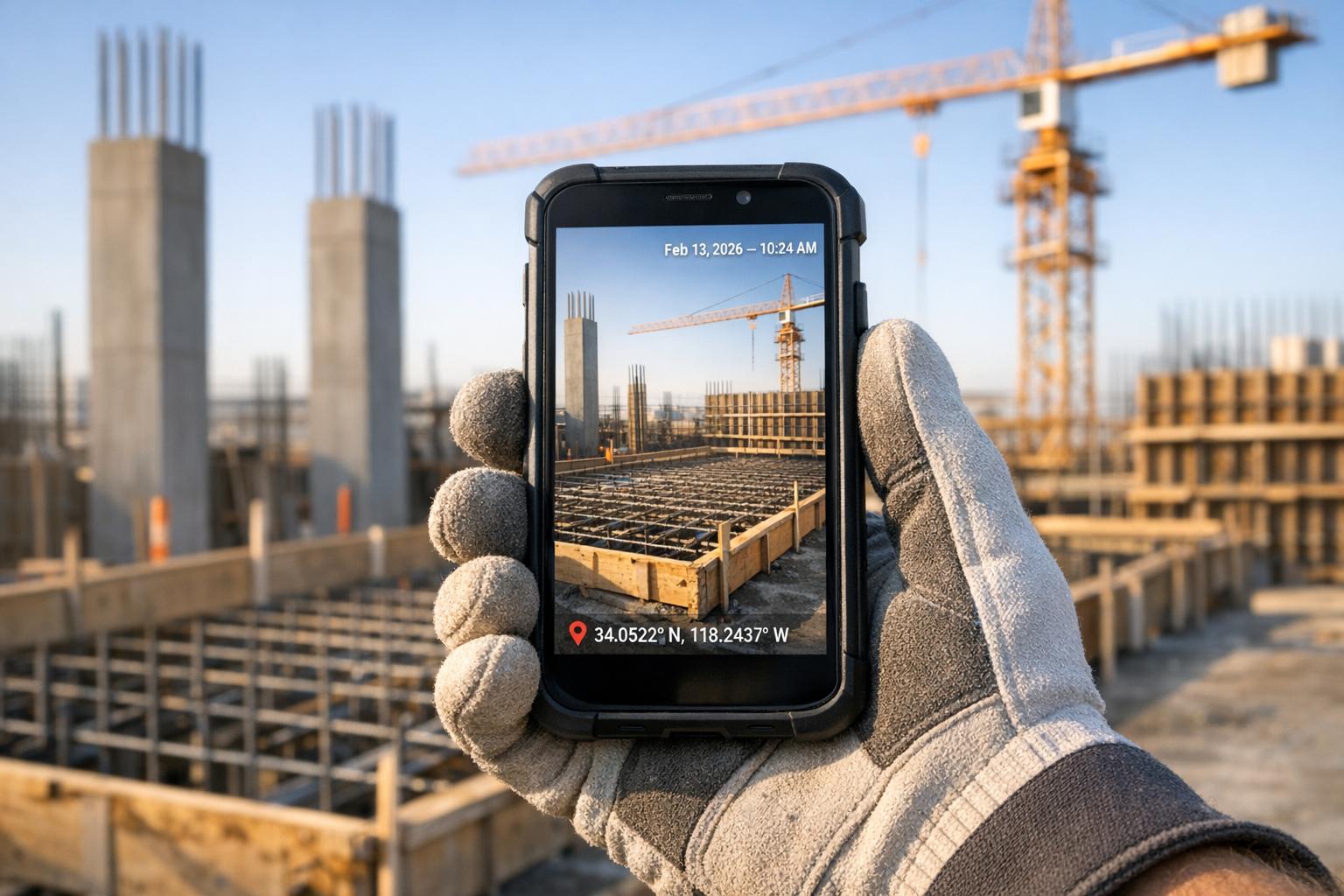
Every photo taken with CrewCam automatically includes unchangeable metadata. Unlike standard smartphone photos, CrewCam embeds fixed GPS coordinates and timestamps immediately, ensuring the data meets legal evidentiary standards. This feature eliminates the risk of tampering, making your documentation trustworthy in court.
Additionally, CrewCam allows you to enhance photos with on-site notes, weather conditions, elevation, and compass direction.
Considering that disputes often cost an average of $16.3 million and stretch over 15 months, having airtight documentation can save both time and money.
To further protect your records, CrewCam offers unlimited cloud storage. This ensures your photos are safe even if devices are lost or damaged. The app organizes everything by project, so you won’t waste time digging through personal camera rolls or scattered emails. It also keeps your documentation intact when employees leave the company.
These features not only strengthen your liability protection but also set the foundation for better team collaboration.
Real-Time Team Collaboration
CrewCam’s live project feed gives off-site managers real-time visibility into project progress. This feature helps track work, spot safety issues, and catch errors before they escalate into costly problems. Without a system like this, field teams can lose up to 9 hours a week managing disorganized photos. CrewCam’s project-based organization eliminates this inefficiency.
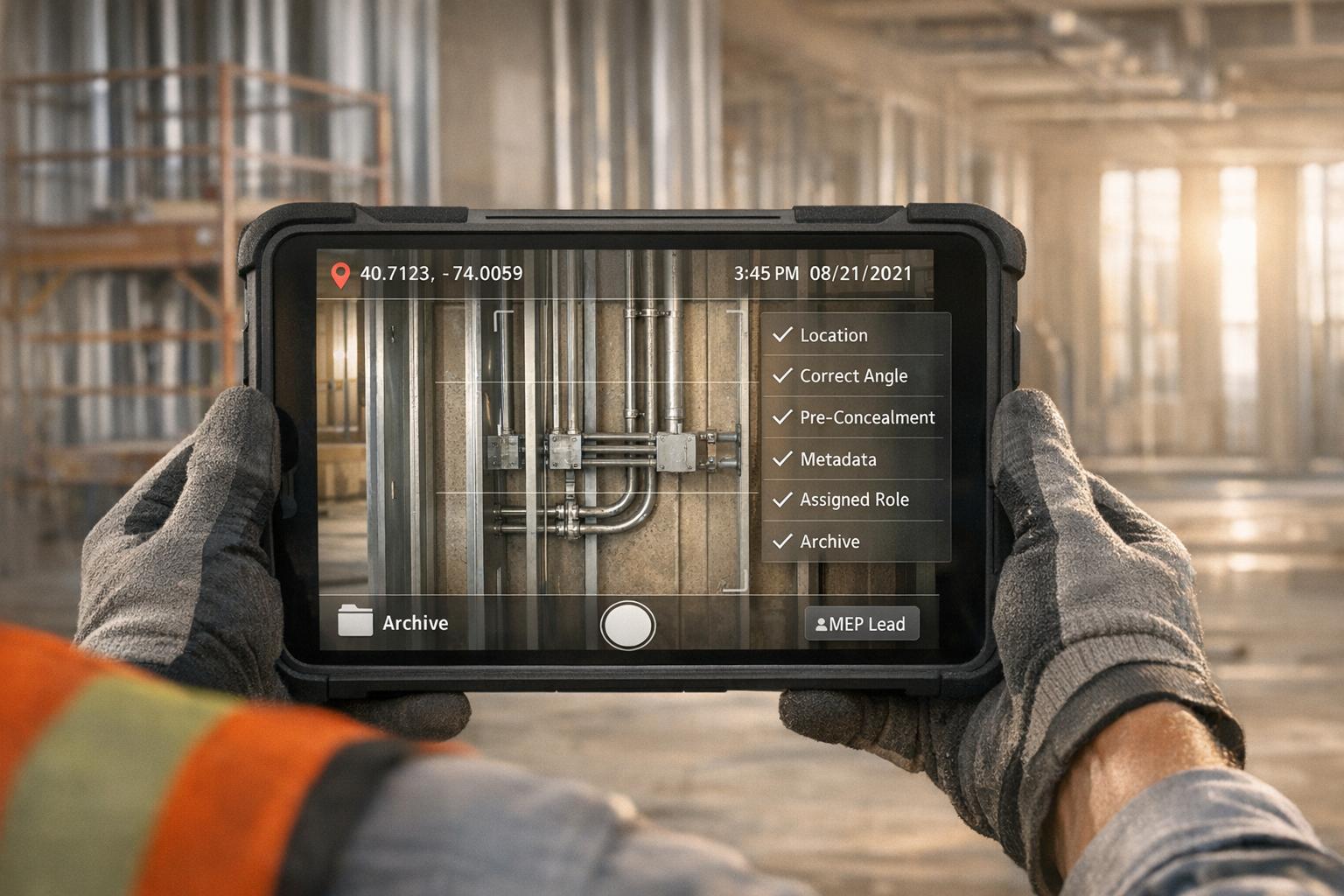
The app also supports teamwork with controlled access. You can invite team members and guest collaborators to contribute to a live, shareable project feed. Its sharable photo gallery feature lets you instantly send photo evidence to stakeholders, clients, or insurance adjusters through live gallery links. For added accountability, photo checklists ensure that specific tasks are visually verified before being marked complete. On-photo annotations, such as drawing tools and arrows, make it easy to highlight problem areas or complex installations, helping off-site stakeholders understand the situation clearly.
Even when working in areas with poor connectivity, CrewCam ensures no interruptions in documentation.
Offline Mode and Multi-Device Access
Construction sites often lack reliable cell service, but CrewCam’s offline mode ensures that no photo or detail is missed. Photos are securely saved to the device and automatically sync to the cloud once a connection is restored. This means your documentation remains intact, even in remote locations.
CrewCam works across devices, with apps available for both iOS and Android. For office staff and project managers, a desktop login provides easy access to the same centralized records, ensuring everyone works from a single, accurate source. Setting up an account is quick - taking less than 30 seconds - so your team can start documenting without disrupting their workflow. This seamless access ensures your compliance and safety records stay complete, reducing the risk of liability claims.
Integrating Photo Documentation into Safety Protocols
Adding photo documentation to your daily workflow can act as a strong safeguard against liability. Start by creating a clear documentation plan - identify what needs to be photographed, such as safety benchmarks, critical areas, and any potential points of contention.
A three-phase approach works best: capture pre-work conditions, document milestones and concealed work during construction, and record the final results. This is especially important when you consider that 70% of construction disputes stem from inadequate documentation.
Here’s how you can incorporate photo documentation into your safety protocols effectively:
Using Photo Checklists for Task Verification
Photo checklists transform vague claims into concrete evidence. Instead of relying on memory or paper forms, tools like CrewCam’s photo checklist feature require visual proof before tasks are marked complete. This is particularly useful for safety compliance, such as confirming workers are wearing proper protective gear.
With tamper-proof timestamps and GPS geotags, photo checklists provide legally reliable proof of task completion. Before taking photos, scan the area to confirm compliance. Capture images of subflooring, wall framing, insulation, and utility runs before they are closed off - these are often the hardest areas to verify later. CrewCam’s annotation tools let you highlight details directly on the photos with arrows, circles, or text notes, making it easier to point out specific measurements or features.
Sharing Documentation with Stakeholders
Real-time photo documentation fosters trust and speeds up payments. When clients, inspectors, and insurance adjusters have instant access to on-site visuals, misunderstandings are greatly reduced. CrewCam’s sharable photo gallery feature creates live links that stakeholders can view immediately - no sign-ups or hefty email attachments required. This transparency ensures everyone stays informed at key milestones, like concrete pours or framing inspections, improving communication and building trust while helping resolve disputes quickly.
Quick access to visual evidence also prevents long legal disputes. Attorney E. Aaron Cartwright III emphasizes the importance of photos:
"A specialized contractor is having to explain things to people who don't know anything about how their work is done. That's why you need pictures to tell the story of what happened".
Creating Audit-Ready Records
Photo documentation isn’t just about on-site verification - it’s also about creating structured records that are easy to retrieve during audits or legal reviews. Records only hold value when they’re organized. CrewCam automatically sorts photos by project, date, and team member, saving field teams up to 9 hours a week on manual organization. Use tags or folders to classify photos by category - like "safety compliance", "foundation", or "electrical" - so they’re instantly searchable during audits. Unlimited cloud storage ensures your records are safe, even if devices are lost, and desktop access allows office teams to retrieve files easily.
When an audit, insurance claim, or legal issue arises, scattered photos won’t cut it. CrewCam allows you to export well-organized, tagged photos with intact metadata, meeting strict legal standards. This not only strengthens liability protection but complements earlier steps like consistent documentation and photo checklists, creating a well-rounded safety and compliance system. Plus, addressing issues early through better documentation can reduce rework costs by 25%, making audit-ready records a smart investment for both safety and cost savings.
Conclusion
Consistent photo documentation is a game-changer when it comes to minimizing liability risks at every stage of construction. It creates a solid record that shields your business from costly disputes and liability claims. In fact, proper documentation can speed up dispute resolution by 92%, lower rework costs by 25%, and cut project delays by 31%.
The secret lies in being thorough and consistent. Capture pre-existing conditions, document concealed work before it's covered, and rely on tamper-proof metadata to ensure your photos stand up in legal situations. These practices - focusing on pre-existing conditions, hidden work, and final results - form the backbone of a strong liability defense. As construction attorney E. Aaron Cartwright III explains:
"A specialized contractor is having to explain things to people who don't know anything about how their work is done. That's why you need pictures to tell the story of what happened".
This is where CrewCam steps in. With features like automatic GPS and time-stamped photos, unlimited cloud storage, and real-time collaboration, CrewCam simplifies the entire documentation process. Its offline mode ensures you can document even in remote areas, and sharable photo galleries keep everyone in the loop without the hassle of bulky email attachments or account sign-ups.
Considering the steep costs and lengthy timelines of disputes, poor documentation is a risk no business can afford. By following these best practices and leveraging a tool like CrewCam, you can streamline your workflow and strengthen your liability protection.
FAQs
How can photo documentation help resolve construction disputes efficiently?
Photo documentation simplifies resolving construction disputes by offering clear, time-stamped visual proof of site conditions, project progress, and adherence to safety standards. These visual records provide solid evidence to support claims or refute inaccurate accusations, cutting down the time and effort needed to resolve disagreements.
An organized collection of photos and videos allows teams to quickly access the evidence they need to address disputes, show accountability, and safeguard their business from potential liabilities.
How does CrewCam improve the reliability of photo documentation?
CrewCam improves the reliability of photo documentation by providing GPS and time-stamped photos and videos. Every image is automatically tagged with precise location and time details, ensuring accurate and trustworthy records. This is especially useful for addressing liability issues and staying compliant with regulations.
The app also promotes team collaboration, enabling multiple users to upload and contribute photos for thorough project documentation. With tools like on-photo annotations, notes, and comments, communication becomes more efficient, allowing teams to provide detailed feedback directly on the images.
To simplify workflows, CrewCam includes project-specific checklists and a sharable photo gallery. These features make it easier to organize, access, and share essential images. Together, these tools enhance the accuracy, organization, and reliability of your photo records, helping to minimize liability risks.
How does photo documentation help ensure safety compliance on construction sites?
Photo documentation plays a crucial role in maintaining safety compliance on construction sites. By capturing images that are both timestamped and GPS-tagged, it provides solid visual proof of safety measures, site conditions, and adherence to required protocols. This kind of evidence can be invaluable during inspections, audits, or even legal disputes, as it clearly shows the steps taken to ensure a safe working environment.
Tools like CrewCam simplify this process by offering features such as high-quality photo capture, annotation options, and real-time updates for team communication. Consistently documenting safety practices through photos not only helps in spotting and addressing potential risks but also builds a reliable record. This record can reduce liability concerns and support ongoing efforts to stay compliant with safety regulations.
Related Blog Posts

See CrewCam in action
Start your free trial now by clicking the button below


Wanna chat or demo?
Questions? Concerns? Requests? Talk to a real human

Watch a CrewCam demo now 😎
Short on time, busy, got jobs to do? See how CrewCam works now!